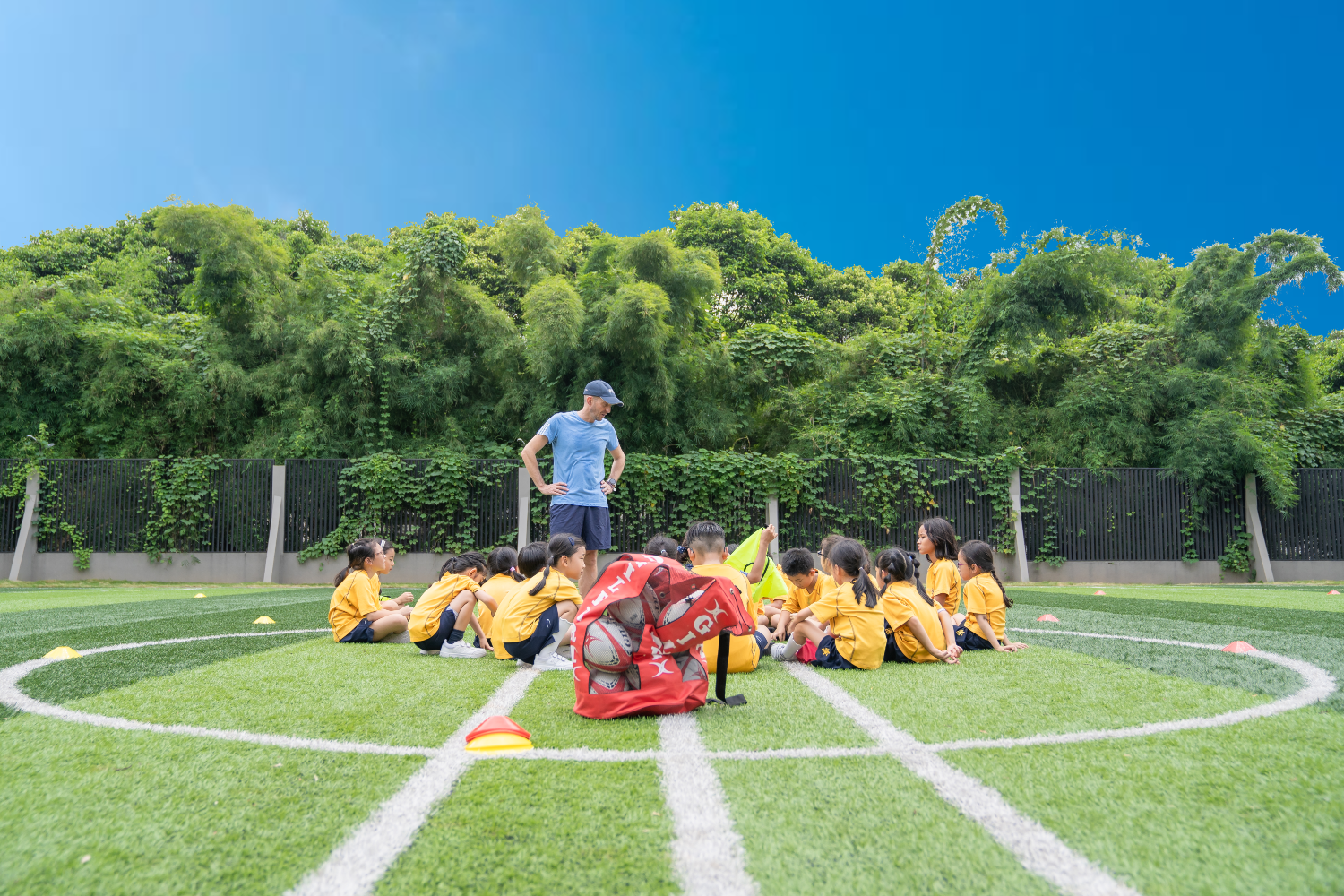
7.5 Weekend Activities for Younger Children in Jakarta
Weekends in Jakarta follow a rhythm of their own. Families with young children navigate a city shaped by heat, traffic, and indoor infrastructure, choosing routines that work with—rather than against—the environment. Because weekdays are tightly structured around school commutes, homework rhythms, and early starts, weekends become a space where families recalibrate. The challenge is not finding activities, but identifying those that are developmentally appropriate, logistically realistic, and compatible with Jakarta’s micro-geography.
This weekend landscape matters for international-school families more than it might in other capitals. Children who attend academically demanding British, IB, or American programmes often need time to decompress. Parents, meanwhile, want experiences that feel meaningful without requiring an hour-long battle with road conditions. Over time, a recognisable pattern emerges: short, deliberate excursions; predictable anchor routines; indoor–outdoor balance; and activities that place children in safe, shaded, or temperature-controlled environments without sacrificing the spontaneity that younger children crave.
"Jakarta is not a city for all-day outings with young children. It rewards short, well-planned segments."
The Shape of a Jakarta Weekend for Young Families
Jakarta’s heat dictates timing. Most families move early: playgrounds at 8am, supermarkets by 9, swimming before the sun rises too sharply. By late morning, indoor environments dominate—soft-play centres, bookshops, cafés, and structured classes. Afternoons are quieter, often spent at home or in shaded compounds; evenings offer another brief window for movement once the heat softens.
Parents quickly discover that Jakarta is not a city for all-day outings with young children. It rewards short, well-planned segments. A visit to a play space, followed by a swim, then home for a rest. The most successful weekends rely on proximity—neighbourhood-level options that avoid major junctions—and on activities that allow children to move freely without adults worrying about heat exposure or road conditions.
This pattern aligns with research on early childhood wellbeing in dense urban environments, which shows that children benefit more from frequent low-intensity outings than from occasional high-effort excursions. Jakarta’s urban form almost enforces this.
Indoor Play Spaces: Jakarta’s Practical Necessity
No other feature defines early childhood weekends in Jakarta as strongly as indoor play. What might feel excessive in milder climates becomes entirely practical here. Indoor playgrounds serve a physiological purpose: they allow children to expend energy without overheating and provide parents with a supervised, predictable space that shortens the mental load of planning.
"Indoor playgrounds serve a physiological purpose: they allow children to expend energy without overheating and provide parents with a supervised, predictable space that shortens the mental load of planning."
South Jakarta offers a broad range—Pondok Indah Mall, Kemang Village, Citos, and Lippo Mall have large soft-play structures, climbing frames, and small “pretend city” environments that younger children return to week after week. These spaces are familiar across the international-school community because they meet a specific developmental need: unstructured movement in a controlled setting. For children who spend weekdays in classrooms, this kind of sensory and gross-motor activity restores balance.
What distinguishes Jakarta’s soft-play culture is not the structures themselves but the way families use them. Visits are short. Parents time them early in the day, before crowds gather, or later in the afternoon, once the heat fades. Because most centres sit inside malls, they absorb air quality fluctuations and rain interruptions, making them a reliable fallback in a city where predictability matters.
Swimming
If one activity is truly universal for young children in Jakarta, it is swimming. Pools are among the city’s most reliable early-morning environments: shaded, supervised, and cool. In Pondok Indah and Cipete, families often treat swimming as a weekly anchor—part exercise, part ritual. It suits toddlers and early-primary pupils alike, offering sensory regulation, physical development, and a calming counterweight to the overstimulation of indoor play.
What makes weekend swimming particularly valuable for internationally schooled children is how well it supports stamina and confidence—skills that feed back into weekday learning. Research on early physical development shows clear links between core strength, coordination, and later academic readiness, especially in writing and reading fluency. Jakarta’s pools, whether at water parks, club facilities, or apartment complexes, become practical tools for this foundational development.
Parents also appreciate the predictability: pools open early, travel is manageable at those hours, and the environment is straightforward to supervise.
Short-Distance Outdoor Time
Although Jakarta lacks large public parks, families find ways to capture small pockets of outdoor time. In Cilandak and Cipete, quiet residential lanes offer short scooter rides in early mornings. Pondok Indah’s tree-lined internal roads provide shaded stretches for walking. Some compounds have shared lawns or playgrounds that catch breezes before midday heat.
These small outdoor moments matter more than they might appear. Child-development studies highlight the value of micro-nature exposure—short encounters with plants, trees, soil, and insects—for emotional regulation and attentional balance. ISJ leverages this reality through its own green campus and outdoor learning routines, but weekends give children an extended chance to explore at their own pace.
Families learn to time these outings tightly: before 9am or after 4.30pm. The result is not lengthy park days but short episodes of outdoor play that collectively provide continuity.
Cafés, Bookshops, and the Culture of Short Outings
South Jakarta’s family-friendly café culture plays a distinctive role in weekend routines. Many establishments in Kemang, Cipete, and Ampera accommodate children naturally—spacious layouts, shaded verandas, small play corners, and tolerant atmospheres. Parents often choose cafés within a five- to ten-minute drive, reinforcing neighbourhood-level living.
Bookshops, particularly those in Pondok Indah Mall and Kemang Village, offer an unexpectedly useful combination: air-conditioning, reading nooks, and manageable browsing spaces. For younger children, these environments introduce quiet routines that complement the more intense weekday structure of international schools. Parents often use these moments as soft-entry points into reading habits, with picture books and early readers forming a natural link to the British-curriculum literacy progression.
Cultural and Learning-Oriented Excursions
Occasional longer outings are possible when planned carefully. Museums and galleries with strong air-conditioning—MACAN, the National Gallery, the Textile Museum—can be feasible for young children if visited early. Farm-style experiences on the outskirts of the city, which ISJ uses extensively for outdoor learning, provide hands-on encounters with animals, plants, and basic food production that Jakarta’s urban fabric lacks.
These excursions are infrequent but valuable. They offer a contrast to the controlled environments of malls and indoor play, and they expose children to contexts that enrich classroom learning. British-curriculum schools emphasise these experiential links; weekend outings can reinforce them gently.
How Weekends Support School Readiness
For children in international schools—especially British prep settings—weekends play a developmental role. They can either stabilise the learning week or undermine it.
Balanced weekends tend to share certain characteristics:
• early movement (swimming, playground time, scooters)
• mid-morning calm (books, cafés, indoor play with controlled stimulation)
• afternoon rest
• evening light activity once temperatures fall
This pattern aligns with research on executive function and self-regulation. Young children need alternation between high-energy bursts and restorative quiet. Jakarta’s environment, with its climate constraints, inadvertently encourages this alternation. Families who work with the rhythm rather than resist it generally find their children more settled on Monday mornings.
What This Means for Choosing an International School
Understanding weekend routines sharpens how parents think about school life. A school’s location determines the feasibility of weekend movement; its calendar shapes energy levels; its pastoral systems influence how children respond to stimulation and rest. Families drawn to British-curriculum schools often appreciate the structured predictability of weekdays and the balanced experiences that weekends can provide.
Schools with green campuses, shaded playgrounds, and strong outdoor-learning programmes (such as ISJ) give children a richer base from which weekend routines can extend naturally. Conversely, schools without predictable daily patterns may leave children overstimulated, making weekends feel like compensation rather than continuity.
Jakarta rewards families who make peace with short outings, proximity, and realistic planning. For younger children, these habits form the architecture of a calm, healthy week.
About the author
Nikki, BEd (Hons), PGCE, Cert. Leadership & SEN
Nikki is an experienced primary educator and curriculum leader with over three decades of teaching across the UK and international schools. She has served as Head of Primary English, Head of KS2 Science and teacher-trainer for national and international programmes. Known for her strategic curriculum vision and commitment to high-quality teaching, Nikki creates learning environments grounded in creativity, high expectations and child-centred pedagogy.
Activities FAQ
What kinds of weekend activities work best for younger children in Jakarta?
Short, predictable outings—swimming, indoor play, bookshops, shaded scooter rides.
Family-Friendly Neighbourhoods in South Jakarta.
Is outdoor play realistic for young children?
In brief windows, yes. Early mornings and late afternoons in quiet lanes or compounds offer manageable outdoor time.
Outdoor Learning in an Urban Setting.
How do weekend routines affect school readiness?
Balanced activity and rest improve self-regulation, attention, and Monday-morning stamina.
What Makes a Strong Primary School.
Do families need to travel far for good weekend options?
Not usually. South Jakarta’s infrastructure supports neighbourhood-level routines that avoid long drives.
School Commutes and Traffic: Practical Advice.
Are longer excursions possible?
With planning. Museums, galleries, and farm-style experiences work best early in the morning.