
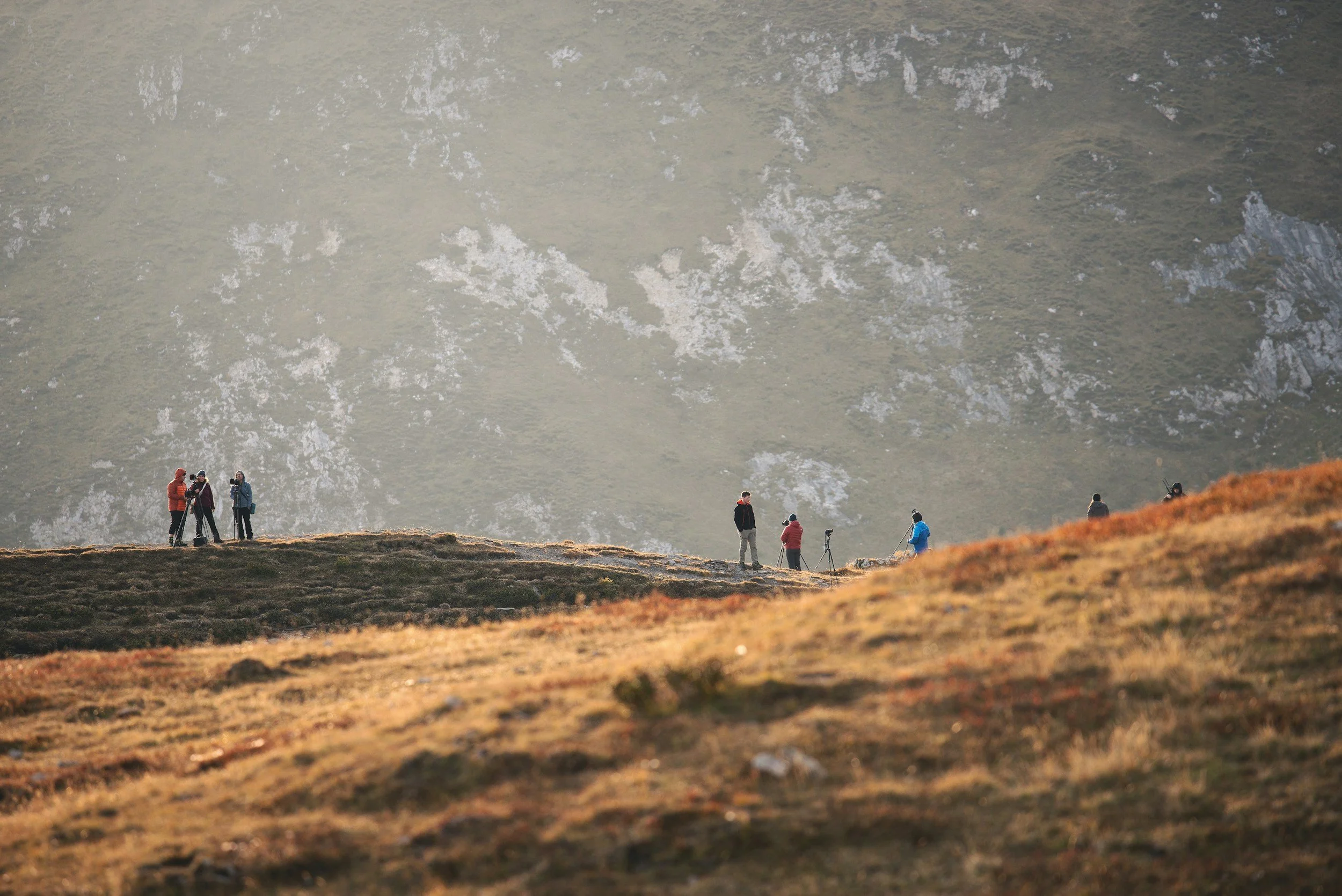
A Leafy Campus in the Heart of Jakarta
Although much of Jakarta is densely built, ISJ benefits from a campus that is unusually green for the city centre. Mature trees, sheltered courtyards, and planted gardens give pupils immediate access to outdoor learning without the need to leave the grounds. This matters academically as well as atmospherically. A leafy environment supports attention restoration, provides varied micro-ecologies for scientific observation, and allows teachers to integrate outdoor learning into lessons on a daily basis rather than only during scheduled excursions.
The campus gardens function as a living laboratory for Early Years and Primary pupils, where gardening, ecological surveys, classification tasks and sensory exploration can take place safely and frequently. Older pupils use the grounds for field sketching, microclimate analysis, data collection, and structured enquiry. Because outdoor learning can be woven naturally into each school day, ISJ can deliver a research-informed programme without relying solely on external sites or unpredictable logistics. In a city where green space is scarce, this is a genuine educational advantage.

5.4 Outdoor Learning in an Urban Setting: An Academic Perspective for a Dense, Complex City
Outdoor learning has long been associated with rural landscapes—woodlands, fields, streams, and open green expanses that allow children to explore freely and experience nature in a relatively unstructured way. This association is strong in British educational culture, where traditions such as forest school, expedition learning, and residential outdoor programmes form an accepted part of a child’s schooling. Yet as urbanisation intensifies globally, and as more families raise young children in dense metropolitan areas, a more significant educational question has emerged: what does outdoor learning mean in a city, and what form should it take if it is to retain its academic integrity?
Jakarta is an instructive case. As one of the world’s most complex megacities—humid, crowded, fast-growing, and characterised by sharp contrasts in land use—Jakarta challenges many received assumptions about outdoor education. It forces educators to reconsider what counts as “outdoors,” how children learn in varied environmental conditions, and how schools can harness—not merely cope with—the textures, constraints, and opportunities of urban life. In doing so, it invites a broader rethinking of outdoor learning itself: away from romanticised images of pastoral childhood, and toward a research-backed understanding of how open-air, real-world experiences strengthen cognitive development, academic learning, and personal growth.
"Outdoor learning in an urban context is not a consolation prize, nor a weaker substitute for 'the real thing.' When designed well, it is an academically powerful, developmentally rich dimension of schooling."
Outdoor learning in an urban context is not a consolation prize, nor a weaker substitute for “the real thing.” When designed well, it is an academically powerful, developmentally rich dimension of schooling. It connects children to the physical world, cultivates observational acuity, encourages resilience, and situates knowledge within lived environments. Furthermore, it compensates—critically—for the constrained childhoods produced by dense modern cities, where movement, sensory variety, and autonomous exploration have become limited.
This article sets out a research-driven case for outdoor learning in an urban setting, with particular attention to Jakarta, and describes how a school can design an academically serious, developmentally robust programme that remains coherent, safe, and meaningful.
Why Outdoor Learning Matters in Cities
In dense urban environments, children spend unprecedented amounts of time indoors. Apartments often have limited outdoor access; many families rely on cars rather than walking; leisure time takes place in malls rather than parks; and concerns about traffic or safety limit children’s independent mobility. Developmental psychologists have noted a marked reduction in unstructured outdoor play for urban children across Asia. This shift has consequences for physical health, emotional regulation, spatial awareness, and the development of executive functions.
"Jakarta, with all its density and complexity, is not a barrier to outdoor learning. It is a catalyst for it."
Cognitive science helps explain why outdoor exposure remains essential even for academically driven environments. Attention Restoration Theory (Kaplan & Kaplan, 1989) proposes that varied, non-threatening environments—those with a mix of natural and semi-natural stimuli—allow the brain’s directed-attention system to recover. While early formulations of the theory focused on natural landscapes, later research showed that the key mechanism is environmental diversity, not pure “nature.” In other words, a quiet city courtyard, a garden, a shaded walkway, or even the changing stimuli of a local neighbourhood walk can deliver similar restorative effects.
Outdoor learning is also supported by findings from embodied cognition. Physical movement, especially in environments that demand small adjustments in balance, direction, or sensory interpretation, improves recall, strengthens conceptual learning, and deepens understanding. At least three strands of research—motor development, memory encoding, and conceptual mapping—suggest that learning associated with physical experience is stored more robustly and transfers more easily to new contexts.
For young children, sensory-motor engagement is inseparable from cognitive development. Studies in early childhood education consistently show that hands-on exploration of varied physical environments accelerates vocabulary development, improves inference-making, and supports early numeracy. When children observe insects, classify leaves, measure shadows, or map a familiar area, they draw on multiple cognitive systems simultaneously.
Urban environments also offer intellectual advantages that rural or suburban environments do not. They are dense with data: traffic flows, architectural forms, micro-ecosystems, economic exchanges, informal social norms, and cultural layers. From an academic standpoint, a city is a living text that children can learn to read with increasing sophistication. Geography, science, anthropology, design, engineering, mathematics, and environmental studies all find rich expression in cities.
From this perspective, outdoor learning is not a supplement to academic work but a framework for situating knowledge in the world. Cities, far from being obstacles, are fertile ground for this work.
Working With the Urban Context Rather Than Against It
Jakarta presents real constraints: high humidity, sudden rainstorms, traffic, uneven pavements, limited public green space, and periodic fluctuations in air quality. These are genuine considerations and require responsible planning. But they are not reasons to reduce outdoor learning; they are reasons to structure it thoughtfully.
A well-designed outdoor learning programme treats the city as an asset. Jakarta’s varied micro-environments—from kampung lanes to highly engineered roads, leafy residential enclaves, local markets, riverside edges, mangrove restoration zones, and modern transport systems—provide children with opportunities to observe urban systems and ecosystems in action. These observations can be structured into geographical enquiry, measurement tasks, scientific investigations, or reflective writing.
Research on place-based education supports this approach. Children develop stronger conceptual understanding when learning is linked to real environments they can see, touch, interpret, and reflect upon. Place-based learning has been associated with higher motivation, stronger recall, and deeper comprehension, because environmental stimuli help anchor abstract knowledge.
In practice, this means that schools should not attempt to recreate an artificial countryside environment. Nor should they wait for the perfect conditions. Instead, they learn to work with what the city offers: short, frequent excursions; structured observation walks; data-collection exercises near the school; and visits to cultural and ecological sites. The skill lies not in seeking idyllic landscapes but in designing learning that uses urban reality as material for inquiry.
Designing a Coherent Outdoor Learning Curriculum
A high-quality outdoor learning programme is not a loose set of activities. It is a curriculum strand with progression, purpose, and assessment. In the strongest British institutions, outdoor learning is treated with the same seriousness as mathematics or English. The question is not, “How often do children go outdoors?” but “What do they learn there, and how does this deepen understanding across subjects?”
A coherent curriculum aligns outdoor experiences with academic goals. In Early Years, outdoor learning focuses on sensory exploration, motor development, communication, early scientific observation, social interaction, and exploratory problem-solving. As pupils move into Key Stage 1 and 2, outdoor learning shifts toward structured investigation: collecting data, forming hypotheses, measuring variables, mapping environments, and documenting change.
By Key Stage 3, outdoor learning often becomes disciplinary. Pupils may conduct geographical fieldwork, ecological studies, engineering challenges, or applied science investigations. They learn to construct field reports, analyse data, draw conclusions, and evaluate evidence. These are academically demanding tasks—not “fun outings.”
Risk management is also an academic discipline. British educational research distinguishes between risk elimination (removing all possible hazards) and risk-benefit thinking (balancing educational value with appropriate safeguards). Schools that adopt the latter approach typically yield greater developmental outcomes. Children learn to assess surfaces, manage their balance, understand environmental cues, and make informed decisions. These competencies translate directly into greater confidence and independence.
A coherent curriculum does not rely on one-off excursions. It builds repeated processes, so children become accustomed to inquiry cycles: questioning, observing, data gathering, reflecting, and presenting. These cycles form the backbone of strong outdoor learning.
The School Grounds as a Living Laboratory
Many urban schools underestimate what can be achieved on their own grounds. Even a relatively compact campus can support rich academic work.
School gardens provide opportunities for ecological monitoring, plant growth studies, soil comparison, biodiversity counts, seasonal tracking, and longitudinal observation. When children maintain gardens—sowing seeds, tending beds, harvesting herbs—they develop patience, responsibility, and environmental understanding. Gardening also provides fertile ground for early mathematics, such as measuring growth, comparing leaves, estimating quantities, and interpreting data.
Forest school elements can be incorporated even without a forest. The defining characteristics of forest school are not trees but pedagogy: child-led exploration, problem-solving, teamwork, and managed risk. A shaded garden, climbing structure, mud kitchen, water channel, or outdoor workshop can replicate many of the same developmental affordances.
Outdoor mathematics and literacy can be surprisingly sophisticated. Measurement tasks involving shadows, distances, temperature changes, or sound levels strengthen conceptual understanding. Observational writing conducted outdoors tends to produce more vivid, precise language. Sketching and diagramming require concentration, pattern recognition, and representational skill. At older ages, pupils can conduct micro-investigations into microclimates, water flow, architectural shading, or insect habitats on the school grounds.
The campus becomes a field site, not a playground: a place where learning is situated, embodied, and observable.
Using Jakarta as an Extended Classroom
Schools that take outdoor learning seriously in Jakarta draw on the full range of environments available across South Jakarta and beyond. Short, local excursions—often within walking distance or a few minutes’ drive—can be conducted weekly or fortnightly. These may include neighbourhood mapping, observation of traffic patterns, plant identification, architectural sketching, or small-scale surveys.
Longer excursions expand the academic range. Museums, art galleries, science centres, and heritage areas provide cultural and historical depth. Mangrove forests, river edges, wetlands, and coastal sites provide ecological material for geography and environmental science. Farms and agricultural sites outside the city allow children to understand food systems, sustainability, and land use. These farming visits are particularly powerful for students who have only experienced urban life; they connect environmental science to real-world practice.
Residential expeditions, inspired by British prep and senior school traditions, give older pupils structured challenges that develop resilience, independence, teamwork, and leadership. Hiking, canoeing, camping, and field studies can be conducted in the hills and forests of West Java. When planned well, these expeditions are academically integrated: pupils conduct fieldwork, keep journals, analyse environments, and transfer experiences into written or oral presentations.
Such experiences are not ancillary. They form a distinct pedagogical sequence through which children learn to interpret the world.
Climate, Weather, and Practical Realities
Jakarta’s climate requires planning, not avoidance. Studies in tropical education environments suggest that morning outdoor sessions are ideal for higher-intensity activities, while shaded or partially indoor–outdoor spaces work well for midday learning. Schools can adopt practical routines: hydration, hats, sun protection, and scheduled cool-down periods.
Rain does not halt outdoor learning. Covered areas, verandas, and gazebos make observation possible even during storms. Young children often find rain highly engaging, and rain-related inquiry—water flow, drainage patterns, evaporation—lends itself to science and geography.
Air quality requires monitoring, and responsible schools set AQI thresholds. But it is important not to let occasional poor air days erode the overall programme. Outdoor learning should be routine enough that temporary shifts indoors do not compromise the curriculum.
In practice, climate adaptation becomes part of the pedagogy: children learn to understand weather systems, microclimates, and environmental cues. They become attuned to the city around them.
Assessment, Documentation, and Academic Credibility
Outdoor learning becomes academically serious only when it is documented, reflected upon, and connected to curriculum objectives. Research shows that written reflection significantly deepens learning from field experiences.
Schools typically use a combination of:
• field journals
• diagrams, sketches, and labelled drawings
• photographic evidence
• data tables and measurement logs
• group discussions and presentations
• fieldwork reports (upper primary and prep)
The aim is not to test children outdoors but to consolidate learning through structured representation. Over time, these records provide evidence of progress in observational skill, reasoning, inference, and communication.
A school that takes outdoor learning seriously treats documentation as part of the learning cycle, not as a compliance exercise.
What Parents Should Look For in an International School’s Outdoor Approach
Parents evaluating international schools in Jakarta often focus on facilities—fields, playgrounds, greenery. These are relevant, but they do not guarantee educational quality. A serious programme displays other characteristics: frequency (regular outdoor sessions, not occasional events), curricular alignment (learning outcomes clearly linked to outdoor activity), teacher expertise (staff trained in fieldwork and inquiry-based pedagogy), risk-benefit clarity, and meaningful assessment of learning.
A school’s outdoor learning philosophy should be visible in its everyday routines, not only in glossy images. Parents should ask how often pupils leave the classroom, how sessions are structured, how safety is managed, and how learning is documented. They should also ask whether outdoor learning is valued for its academic contribution, not merely for recreation.
Strong programmes balance campus-based experiences with excursions to farms, gardens, cultural centres, and ecological sites. They offer expeditions for older pupils. They do not shy away from the realities of the urban environment—but use them.
Conclusion: Outdoor Learning as an Academic Responsibility
Outdoor learning in an urban setting is not an indulgence or a peripheral addition to the curriculum. It is an essential dimension of a modern, academically serious education—particularly in cities where children’s lives are increasingly confined indoors. When structured with research-based insight, outdoor learning enhances cognitive functioning, supports emotional well-being, broadens cultural understanding, and strengthens academic attainment.
Jakarta, with all its density and complexity, is not a barrier to outdoor learning. It is a catalyst for it. The city provides stimuli, data, systems, and environments that can be interpreted, analysed, mapped, narrated, and explored. It gives children a sense of context and connection that classroom-only learning cannot provide.
A strong international school in Jakarta should therefore treat outdoor learning as an academic responsibility, not a bonus. It should offer children carefully designed, curriculum-led experiences that help them understand the world—its structures, patterns, systems, and possibilities. In doing so, it prepares them not only for examinations but for life in a complex, interconnected, and fast-changing world.
About the author
Guy, BEd (Hons), QTS
Guy is a UK-trained primary educator with experience from EYFS to Key Stage 2 and a strong grounding in inclusive, inquiry-led practice. Recognised for calm, structured classroom teaching and his ability to support diverse learners, he brings reflective, research-informed pedagogy to every setting. With leadership experience in Religious Education and mentoring trainee teachers, he combines academic rigour with a warm, relational teaching style.
FAQ: Outdoor Learning in an Urban Setting
Why is outdoor learning important for children in a city like Jakarta?
Outdoor learning offsets the indoor-heavy routines common in dense cities. It supports attention restoration, improves cognitive function, and strengthens early scientific and geographical understanding.
Why Outdoor Learning Matters in Cities
Can meaningful outdoor learning happen without large natural spaces?
Yes. Research shows that sensory variety, movement, and real-world complexity matter more than size. Even small gardens, courtyards, and local streets provide rich material for enquiry.
How does ISJ make use of its campus for outdoor learning?
ISJ’s leafy campus provides gardens, shaded spaces, and micro-ecologies suitable for daily investigation. Gardening, forest-school routines, ecological surveys, and outdoor maths and science are embedded into lessons.
How often do pupils go beyond the school grounds?
Regular short excursions—neighbourhood walks, park visits, cultural sites—are part of the programme. Older pupils undertake structured fieldwork, expeditions, and visits to ecological and farming areas.
Using Jakarta as an Extended Classroom
How is safety managed in a dense urban environment?
ISJ follows a risk-benefit framework commonly used in British independent schools. Routes are planned, staff are trained in fieldwork supervision, and sessions are adapted for heat, rain, and AQI levels.
Does outdoor learning contribute to academic attainment?
Yes. Studies show strong links between outdoor enquiry and gains in vocabulary, reasoning, geography, scientific method, and problem-solving. Outdoor experiences anchor abstract ideas in real-world contexts.
Assessment and Academic Credibility
Is outdoor learning just for younger children?
No. In Key Stage 2 and 3, outdoor learning becomes increasingly disciplinary: mapping, ecological studies, engineering challenges, extended fieldwork and expedition-style learning.
Progression Across the Curriculum
How does ISJ handle Jakarta’s climate?
Outdoor sessions are scheduled at appropriate times, shaded areas are used extensively, and wet-weather learning spaces allow continuity during rain. AQI is monitored daily.
What should parents look for when evaluating a school’s outdoor learning programme?
Regularity, curricular alignment, trained teachers, meaningful documentation, and a balance between on-campus and off-campus learning are key indicators of quality.
Does ISJ include gardening, forest school, and expeditions?
Yes. Gardening forms part of Early Years and Primary science and environmental education. Forest-school elements are adapted for the campus environment. Older pupils participate in structured expeditions and learning visits.
Campus-Based Outdoor Learning and Expeditions and Field Sites